

Software Development
IT Sharks has many high quality courses available across 12 distinct categories. All our courses are self-paced and have been designed by subject matter experts, to give you an interactive and enriched learning experience.Depending on your learning goal, which help you focus your learning to provide you with specific expertise in your field or industry.
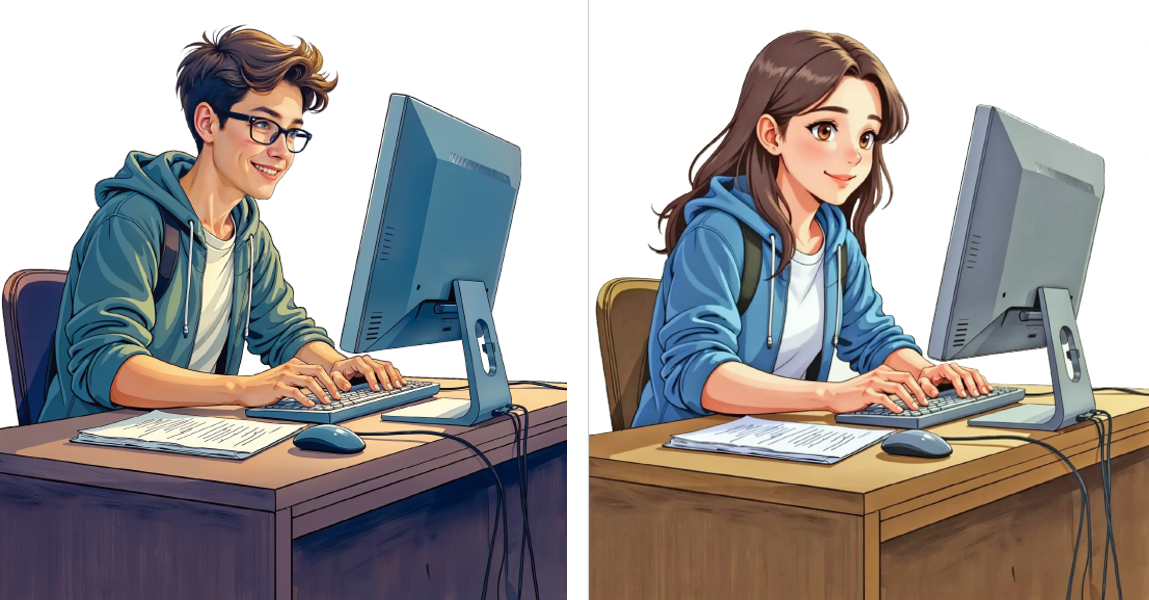
Second year high school programming course
=========================================== English Content - Second Year ============================
Unit 1 :- Information Technology & AI
● Users.
● Data.
● Software.
● Hardware.
● Digital Systems .
● Information Technology .
● Traditional Programs vs Intelligent Systems .
● Theoretical and practical exam on Unit 1 .
Unit 2 :- Security Technologies & Risk Management
● Permissions.
● Authorization.
● Authentication.
● Password Security.
● Encryption .
● Privacy .
● Risk Management .
● Theoretical and practical exam on Unit 2 .
Unit 3 :- Web Applications
● Frontend.
● Backend.
● Server.
● Database.
● API.
● Request.
● Response.
● User Authentication.
● Theoretical and practical exam on Unit 3 .
Unit 4 :- Websites & Information Design .
● Information Architecture .
● User Interface .
● User Experience .
● Navigation .
● Accessibility .
● Layout .
● User Testing .
● Theoretical and practical exam on Unit 4 .
Unit 5 :- Data Collection & Preparation .
● Data Sources .
● Data Collection .
● Missing Values .
● Duplicate Records .
● Data Errors .
● Data Preparation .
● Data Validation .
● Theoretical and practical exam on Unit 5 .
Unit 6 :- Data Analysis & Communication.
● Data Description.
● Trends .
● Relationships .
● Tables .
● Charts .
● Data Visualization .
● Decision Making .
● Theoretical and practical exam on Unit 6 .
Unit 7 :- Machine Learning & Generative AI.
● Machine Learning .
● Training Data .
● Testing Data .
● Models .
● Prediction .
● Classification .
● Generative AI .
● AI Responsibility .
● Human Review .
● Theoretical and practical exam on Unit 7 .
=========================================== محتوي بالعربي - الصف الثاني الثانوي ============================
الوحدة الأولي :- تكنولوجيا المعلومات والذكاء الاصطناعي .
● المستخدمون.
● البيانات.
● البرمجيات.
● الأجهزة.
● الأنظمة الرقمية.
● تكنولوجيا المعلومات.
● البرامج التقليدية مقابل الأنظمة الذكية.
● امتحان نظرى وعملي علي الوحدة الاولي .
الوحدة الثانية :- تقنيات الأمن وإدارة المخاطر .
● الصلاحيات.
● التفويض.
● المصادقة.
● أمان كلمات المرور.
● التشفير.
● الخصوصية.
● إدارة المخاطر.
● امتحان نظرى وعملي علي الوحدة الثانية.
الوحدة الثالثة :- تطبيقات الويب .
● الواجهة الأمامية.
● الواجهة الخلفية.
● الخادم.
● قاعدة البيانات.
● واجهة برمجة التطبيقات (API).
● الطلب.
● الاستجابة.
● مصادقة المستخدم.
● امتحان نظرى وعملي علي الوحدة الثالثة.
الوحدة الرابعة :- المواقع الإلكترونية وتصميم المعلومات .
● بنية المعلومات.
● واجهة المستخدم.
● تجربة المستخدم.
● التنقل.
● إمكانية الوصول.
● التصميم.
● اختبار المستخدم.
● امتحان نظرى وعملي علي الوحدة الرابعة.
الوحدة الخامسة :- تجمع البيانات وإعدادها .
● مصادر البيانات.
● جمع البيانات.
● القيم المفقودة.
● السجلات المكررة.
● أخطاء البيانات.
● إعداد البيانات.
● التحقق من صحة البيانات.
● امتحان نظرى وعملي علي الوحدة الخامسة.
الوحدة السادسة :- تحليل البيانات وعرضها .
● وصف البيانات.
● الاتجاهات.
● العلاقات.
● الجداول.
● الرسوم البيانية.
● تمثيل البيانات بصريًا.
● اتخاذ القرارات.
● امتحان نظرى وعملي علي الوحدة السادسة.
الوحدة السابعة :- التعلم الآلي والذكاء الاصطناعي التوليدي .
● التعلم الآلي.
● بيانات التدريب.
● بيانات الاختبار.
● النماذج.
● التنبؤ.
● التصنيف.
● الذكاء الاصطناعي التوليدي.
● مسؤولية الذكاء الاصطناعي.
● المراجعة البشرية.
● امتحان نظرى وعملي علي الوحدة السابعة.
Short Description
Duration: 80 Hours
Connect with us
Villa No. 48, 2nd Floor, Flat 6, 105th Street, El Horreya Sq., Beside El Raya Market, Maadi - Cairo, Egypt 11728
-
Mobile+20 1112 50 5953
-
Whatsapp+20 101 774 3315
-
Email info@itsharks.co